
Explore chapters on Anal atresia, Volvulus, Meckel's diverticulum, Hydrometrocolpos, and Jejunal-ileal atresia
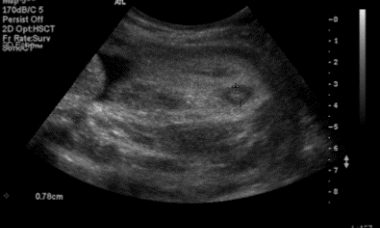
Anal atresia
Anal atresia refers to the congenital absence or blockage of the anus and is part of a wider spectrum of anorectal malformations. Most cases are diagnosed postnatally, but identification of the fetal perianal muscular complex in the second and third trimester has been shown to be feasible.
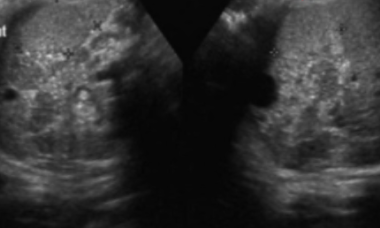
Meckel Diverticulum
Meckel diverticulum is a fetal abnormality formed as a result of a persistent vitelline (omphalomesenteric) duct in the fetus or neonate. In the fetus, a Meckel diverticulum typically presents as a dilated loop of bowel located anteriorly in the upper fetal abdomen. This loop of bowel remains prominent throughout pregnancy and does not typically demonstrate peristalsis.
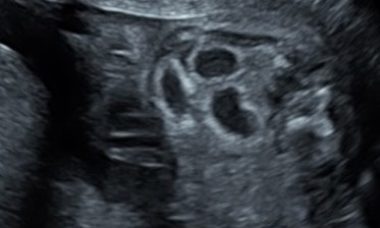
Jejunal-ileal Atresia
Jejunal and ileal obstruction is caused by stenosis or atresia the lumen of one or more portions of the small intestine. It may be identified in the second trimester, but is typically first identified in the third trimester.
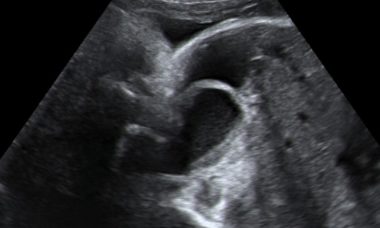
Hydrometrocolpos
Hydrocolpos and hydrometrocolpos are suggested when a midline intraabdominal cyst is identified posterior to the bladder and extends to the perineum in a female fetus.
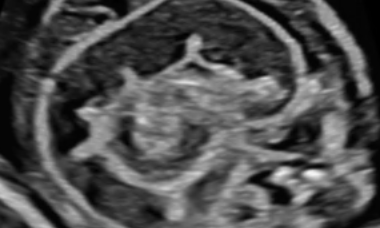
Intestinal or Midgut Volvulus
Intestinal or midgut volvulus refers to a condition in which small bowel loops or the proximal part of the colon twist around the superior mesenteric artery.