
Explore chapters relating to the nose.
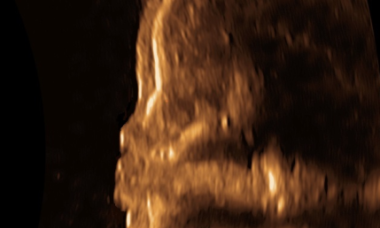
Binder Syndrome
Binder syndrome or maxillonasal dysplasia is characterised by hypoplasia of the anterior part of the maxilla and nasal complex. Protrusion of the nose and the maxilla is reduced giving the profile a concave appearance. The nose is flat (poor projection). Nasal protrusion is more affected than nasal height.
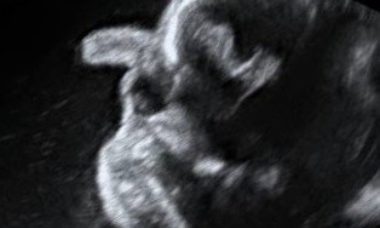
Proboscis
A proboscis is a developmental disorder of the nasal placodes characterised by a blind-ended, tube-like appendage that is commonly located in the midface between or above the eyes. A midline proboscis is always associated with arrhinia, hypotelorism or cyclopia and holoprosencephaly.
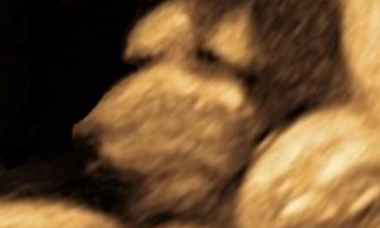
Bifid nose
A bifid nose is a rare malformation caused by the failure of the medial nasal prominences to fuse during embryonic life. The nose appears divided into two halves. There is a large degree of variability, ranging from a small minimally noticeable groove to complete nasal bifidity.
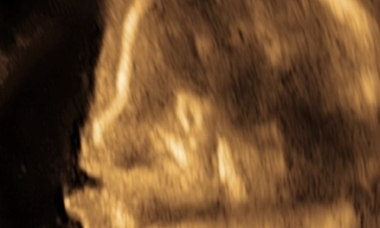
Arhinia
Arhinia is a very rare disorder characterised by the congenital absence of the external nose, nasal cavities, cibriform plate, olfactory bulbs and tracts. The nasal area is flat and firm on palpation although small ridges, a narrow pyriform aperture or rudimentary blind ending nostrils are described.