
Explore chapters on Asphyxiating thoracic dysplasia, Chondroectodermal dysplasia, Thanatophoric Dysplasia, Jarcho-Levine Syndrome and Pulmonary Hypoplasia Induced by Oligohydramnios.
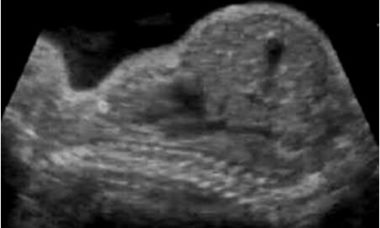
Asphyxiating Thoracic Dysplasia
Asphyxiating Thoracic Dysplasia (ATD) is a skeletal dysplasia characterized by different degrees of hypoplastic thorax, abnormal ribs and clavicle, renal cystic anomalies, and limb anomalies. Severe cases have a high neonatal mortality rate due to lung hypoplasia.
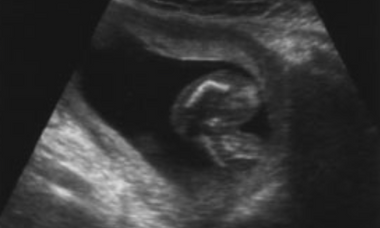
Chondroectodermal Dysplasia
Chondroectodermal dysplasia (Ellis-Van Creveld syndrome) is a rare autosomal recessive congenital abnormality.
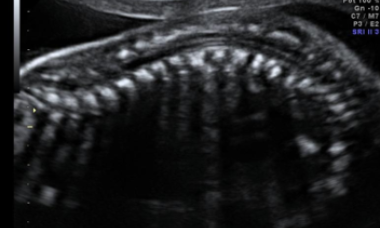
Jarcho-Levin Syndrome
Jarcho-Levin Syndrome (JLS) is a rare congenital anomaly characterised by multiple vertebral and rib anomalies leading to short trunk dwarfism. Characteristic vertebral anomalies, including segmentation, fusion or hemivertebrae, and rib malformations, can help to distinguish between two sub-types of JLS.
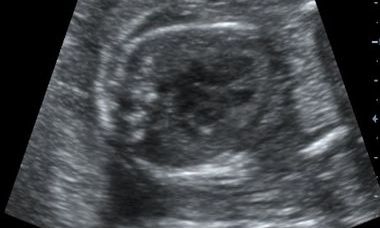
Pulmonary Hypoplasia Induced by Oligohydramnios
Underdevelopment of the fetal lungs secondary to severe reduction of the amniotic fluid volume (caused by premature rupture of membranes, or fetal urine production and/or excretion related pathologies). Pulmonary hypoplasia secondary to oligohydramnios is a major cause of neonatal morbidity and mortality.
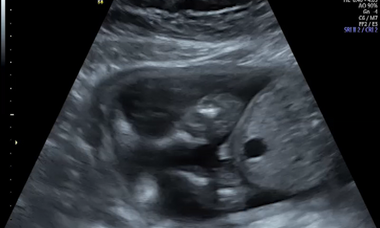
Thanatophoric Dysplasia
Thanatophoric dysplasia (TD) is the most common lethal skeletal dysplasia in the perinatal period. It is characterized by severe micromelia (generalized short limbs) with rhizomelic predominance (proximal segment).