
Find out more information on travelling and visiting London including visas, currency, weather and attractions to visit during your stay.
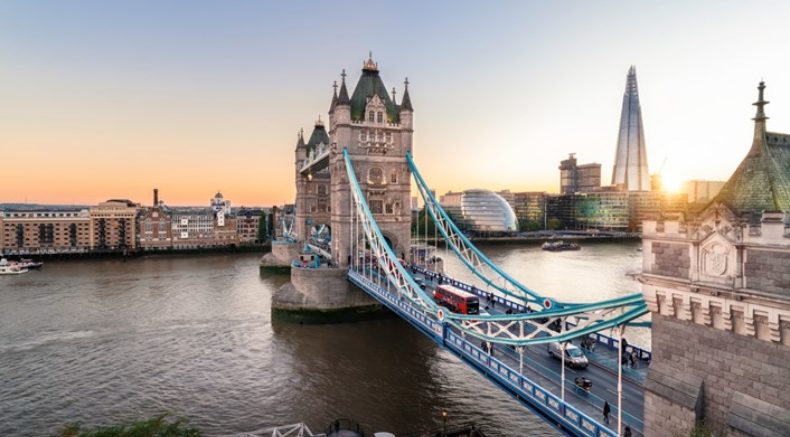
London, United Kingdom
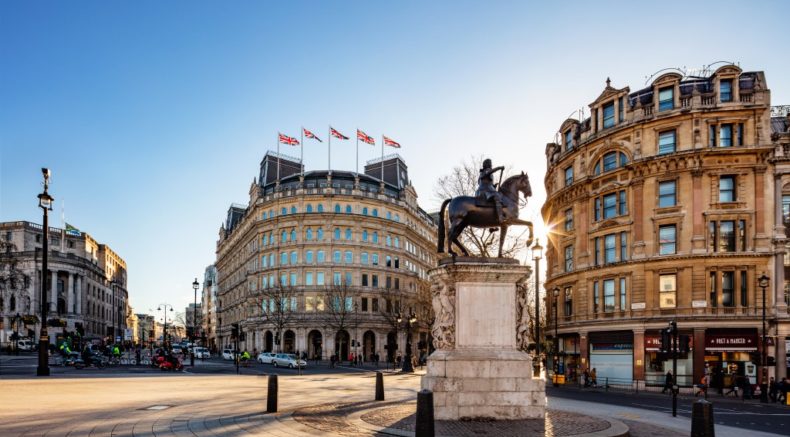
London, United Kingdom
London, United Kingdom
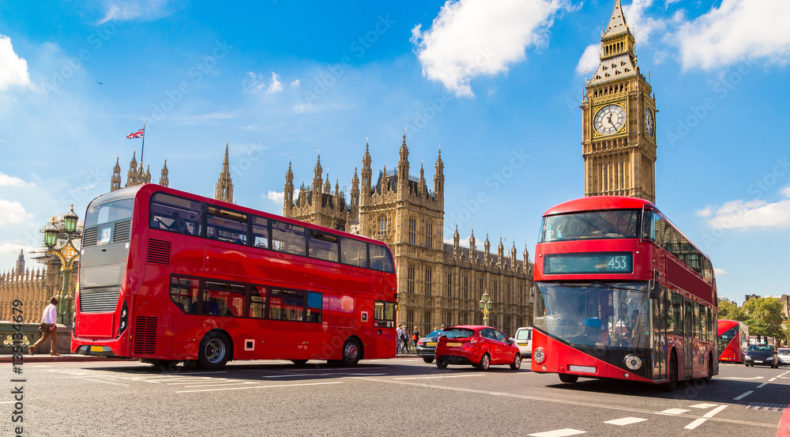
London, United Kindgom
Getting to London
Getting to ExCeL London

Visas and Electronic Travel Authorisation (ETA)
|
Service
|
Last biometric date
|
Additional cost per application
|
Processing time
|
Availability
|
||||
|
Standard
|
10/08/2026
|
£127
|
15 working days
|
All application centres
|
||||
|
Priority Service (PV)
|
24/08/2026
|
£127 + £500
|
5 working days
|
Limited application centres
|
||||
|
Super Priority Service (SPV)
|
27/08/2026
|
£127 + £1000
|
next working day
|
Limited application centres
|
Visa FAQs
How much does it cost to apply for a Standard visa?
The cost for a Standard visa is £127 per person.
When should I apply for my visa and how long will my application take?
The process can take up to 20 working days from submitting biometrics, but we recommend that applications are made as early as possible, from up to 3 months before the congress and allowing at least four weeks. In many locations, for an additional fee, delegates may be able to use our Priority and Super Priority visa service.
I am applying late – what is a Priority and Super Priority Service?
Priority service means that the UK Visa and Immigration office will aim to make a decision on your application in 5 working days, this service is available in over 200 locations. Super Priority service reduces this to the end of the next working day, this service is available in around 20 locations. Both services are charged at an additional fee. Some applications may take longer if they are complex, please check the visa application centres website for any further information.
Fees - Fees for Priority and Super Priority Services apply in addition to the Standard visa fee, as follows: £500 for Priority and £1,000 for Super Priority. Important note: Priority service does not imply or guarantee in any way that a delegate will be successful in their visa application. All visa applicants must meet the requirements of the UK immigration rules.
I travel a lot and cannot be without my passport, are there any services that could help?
The UKVI offer a Keep My Passport service in over 40 locations, this allows the applicant to keep their passport while their application is being considered. If their visa application is successful they will need to provide their passport to the VAC for the vignette to be printed. This service comes at an additional cost and details of which services are available at each VAC are available on the commercial Partner website.
What travel date should be stated on the application form?
On the application you should be specific in stating planned dates of travel to and from the UK. Visitors cannot arrive in the UK earlier than the start date on their visa and the airline may not let you board their flight, or they may be refused entry on arrival in the UK. It is not usually possible to make changes to the validity dates of a visa, after it has been printed. If plans change, you may need to make a new visa application.
What can I do if my visa is refused?
A decision to refuse a visa is made only after careful consideration of all the facts by an Entry Clearance Officer, including the fact that the delegate is to attend or contribute to a specific event. If the application is refused, the refusal notice will provide details about the reasons for refusal. Visitors are free to make a new application, but it is strongly recommended that they read their refusal letter carefully and fully address all the reasons for the initial refusal.