

Understand the latest research and clinical best practice on pregnancy complications.
Ultrasound is indispensable to the screening, diagnosis and management of the most serious complications of pregnancy, shaping clinical care from early risk stratification to ongoing surveillance of maternal and fetal well-being. In conditions such as congenital infection, placenta accreta spectrum disorder, vasa previa, preterm birth, fetal growth restriction, and pre-eclampsia, ultrasound provides the essential framework for timely recognition, prognostic assessment and individualised clinical decision-making. Core techniques, including transvaginal cervical length assessment, fetal biometry and Doppler velocimetry, remain fundamental to modern obstetric practice, while continuing advances in imaging technology are refining our understanding of pathophysiology, risk prediction and disease progression.
As evidence evolves, ultrasound is increasingly central not only to diagnosis, but also to the development of targeted surveillance strategies and interventions designed to improve maternal and perinatal outcomes. From identifying women at risk of preterm birth or placental dysfunction to assessing fetal growth, placental invasion and vascular adaptation, ultrasound continues to define best practice and drive the research agenda in maternal–fetal medicine.
In this rapidly advancing field, the 36th ISUOG World Congress in London offers an exceptional opportunity to engage with the latest evidence and hear directly from international leaders in obstetric ultrasound and maternal–fetal medicine. Through cutting-edge scientific sessions, expert-led discussions and global perspectives on the challenges shaping contemporary practice, attendees will refine their diagnostic skills, explore emerging technologies and gain practical insights that can be translated directly into clinical care. Join experts from around the world to advance your practice, strengthen multidisciplinary care and help shape the future of pregnancy complication screening, diagnosis and management.
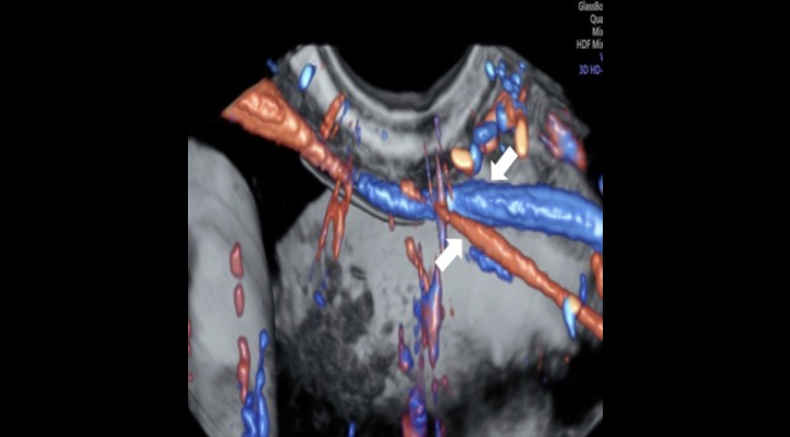
Three- dimensional color Doppler ultrasound imaging
Miremberg, H., Feldman, N., Malinger, G., Krajden Haratz, K. and Perlman, S. (2026), Three-dimensional Doppler ultrasound assessment of multiple vessels in vasa previa. Ultrasound Obstet Gynecol, 67: 402-404. https://doi.org/10.1002/uog.70172
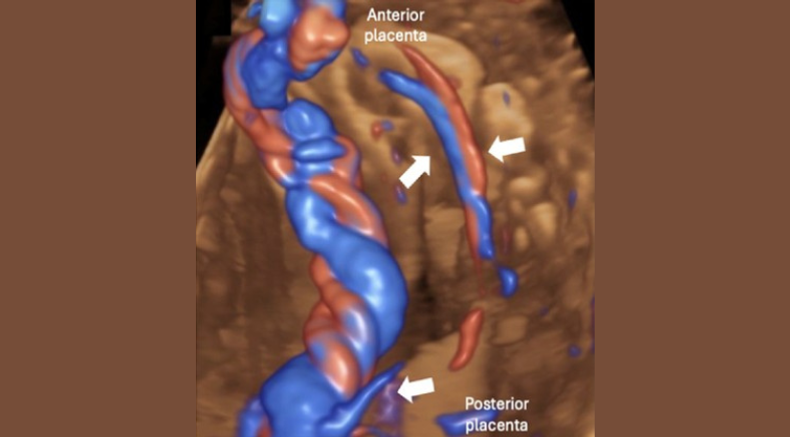
Three- dimensional color Doppler ultrasound imaging showing multiple fetal vessels crossing internal cervical os (white arrows) in a case of vasa previa with bilobed placenta
Miremberg, H., Feldman, N., Malinger, G., Krajden Haratz, K. and Perlman, S. (2026), Three-dimensional Doppler ultrasound assessment of multiple vessels in vasa previa. Ultrasound Obstet Gynecol, 67: 402-404. https://doi.org/10.1002/uog.70172
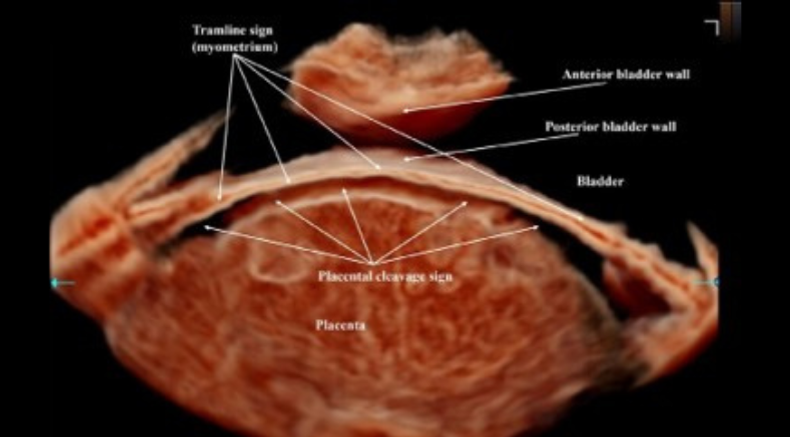
Three-dimensional (3D) ultrasound with Crystal Vue rendering showing placental cleavage sign in patients with placenta accreta spectrum (PAS) grade I at 27 weeks
Buca, D., Jauniaux, E., Lucidi, A., Khalil, A., Di Tizio, L., Liberati, M. and D'Antonio, F. (2026), Three-dimensional visualization of uterine–placental interface: the placental cleavage sign. Ultrasound Obstet Gynecol, 67: 698-701. https://doi.org/10.1002/uog.70119
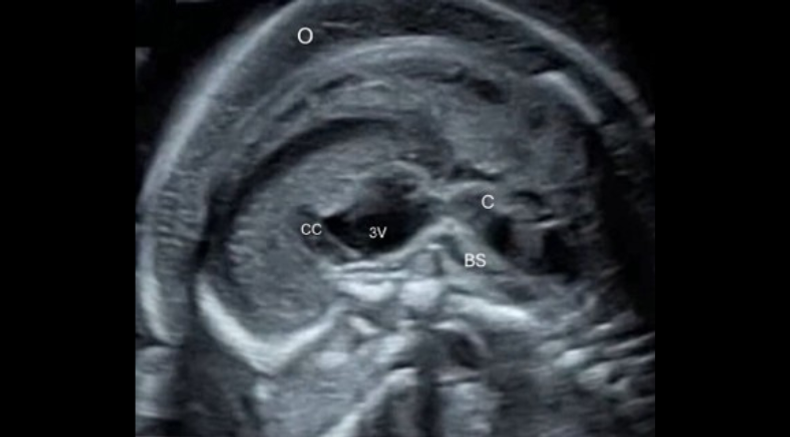
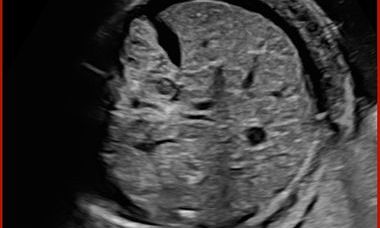
Prenatal ultrasound findings in case of congenital Tonate syndrome at 21 weeks' gestation showing brain, cerebellar and brainstem (BS) atrophy associated with enlarged extracerebral spaces (X)
Pomar, L., Hcini, N., Lambert, V., Dashraath, P. and Baud, D. (2025), Congenital Oropouche virus infection: insights from other arboviral syndromes. Ultrasound Obstet Gynecol, 66: 530-532. https://doi.org/10.1002/uog.70026
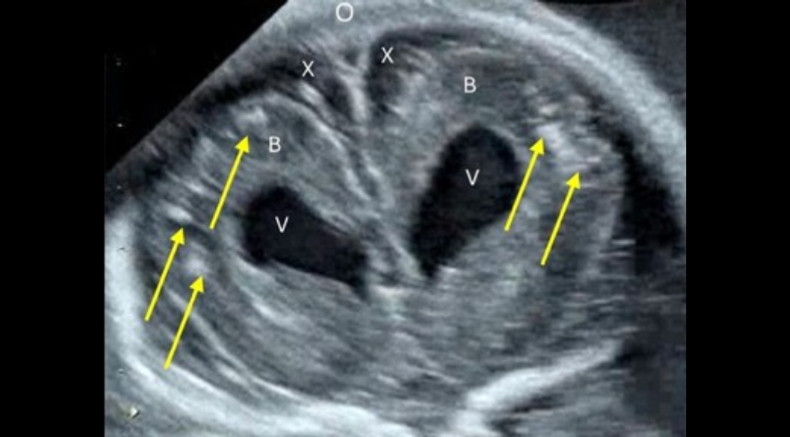
Congenital Zika syndrome at 28 weeks' gestation showing: enlarged extracerebral spaces (X), ventriculomegaly, calcifications (arrows) and subcutaneous edema (O) on fetal neurosonography
Pomar, L., Hcini, N., Lambert, V., Dashraath, P. and Baud, D. (2025), Congenital Oropouche virus infection: insights from other arboviral syndromes. Ultrasound Obstet Gynecol, 66: 530-532. https://doi.org/10.1002/uog.70026
Why are complications in pregnancy a key topic at ISUOG 2026?
Sessions where you can learn more about this topic at ISUOG 2026 World Congress
Supplement your learning before congress
Recent UOG articles
- Predictive performance of Fetal Medicine Foundation first-trimester screening algorithm for pre-eclampsia according to conception mode - A. S. L. Kjaer, I. Riishede, L. Rode, R. B. Jensen, K. Pihl, L. Sperling, M. Overgaard, N. G. Pedersen, A. C. Roslev, P. Sandager, A. Tabor, A. Pinborg, C. K. Ekelund, the PRESIDE Study Group. First published: 24 May 2026
- Changing trends in prenatal screening and treatment of cytomegalovirus infection in France: 7-year national cohort study (2017–2023) - P. Coste-Mazeau, E. Ribot, S. Hantz, Y. Ville, M. Leruez-Ville, S. Alain, the French Congenital Infection database group. Ultrasound in Obstetrics & Gynecology Early View. First published: 04 May 2026
- Implementation of PlGF-based first-trimester screening and aspirin prophylaxis for preterm pre-eclampsia: clinical and economic evaluation - D. A. Badr, A. Carlin, X. Kang, T. Cos, A. Vuckovic, D. Barglazan, J. C. Jani. Ultrasound in Obstetrics & Gynecology Volume 67, Issue 3. First published: 09 February 2026
- Three-dimensional Doppler ultrasound assessment of multiple vessels in vasa previa - H. Miremberg, N. Feldman, G. Malinger, K. Krajden Haratz, S. Perlman. Ultrasound in Obstetrics & Gynecology Volume 67, Issue 3. First published: 23 January 2026
- Vasa previa screening: comparison of national and international obstetric imaging guidelines - S. Agudogo, C. McMahon, D. L. Rolnik, Y. Oyelese. Ultrasound in Obstetrics & Gynecology Volume 67, Issue 2. First published: 17 January 2026
- Perinatal and maternal outcomes of extremely early-onset fetal growth restriction (≤ 26 weeks): systematic review and meta-analysis - M. Piergianni, L. Della Valle, A. Khalil, G. Rizzo, I. Mappa, C. Villalain, I. Herraiz, A. Galindo, F. D'Antonio. Ultrasound in Obstetrics & Gynecology Volume 67, Issue 4. First published: 14 November 2025
- Three-dimensional visualization of uterine–placental interface: the placental cleavage sign - D. Buca, E. Jauniaux, A. Lucidi, A. Khalil, L. Di Tizio, M. Liberati, F. D'Antonio. Ultrasound in Obstetrics & Gynecology Volume 67, Issue 5. First published: 23 October 2025
- Congenital Oropouche virus infection: insights from other arboviral syndromes - L. Pomar, N. Hcini, V. Lambert, P. Dashraath, D. Baud. Ultrasound in Obstetrics & Gynecology Volume 66, Issue 4. First published: 05 September 2025
- Delphi consensus definition of fetal growth restriction after 8 years: implementation and future directions - M. E. Bruins, W. Ganzevoort, A. T. Papageorghiou, B. Thilaganathan, S. J. Gordijn. Ultrasound in Obstetrics & Gynecology Volume 66, Issue 3. First published: 26 August 2025
- Is parvovirus B19 infection upsurge in 2023–2024 associated with adverse pregnancy outcome? - S. Prasad, A. Khalil, Y. Yinon, N. Regev, R. Brawura-Biskupski-Samaha, M. Massoud, N. Mazanowska, F. G. Sileo, F. Prefumo, P. Kosinski, J. Morales Rosello, F. D'Antonio, Collaborators. Ultrasound in Obstetrics & Gynecology Volume 66, Issue 3. First published: 30 July 2025
UOG videos

Double-needle intrauterine transfusion technique for early severe fetal anemia resulting from parvovirus B19
Toward a new standard for assessment of suspected vasa previa
Placenta accreta spectrum conservative management and coagulopathy: case series and systematic review
Lectures
Fetal hepatomegaly: Infection or not?
M. Sanz Cortes 2025
Approach to the fetus with intraparenchymal brain echogenicities
Y. Ville 2025
Vasa Previa: Classification and Sonographic diagnosis
Y. Oyelese 2025
How can first trimester ultrasound help predict adverse pregnancy: pre-eclampsia screening and prevention
D. Rolnik 2025
Truffle 2: SGA and FGR, Maternal Hemodynamics and Biomarkers
C. Lees 2024
VISUOG
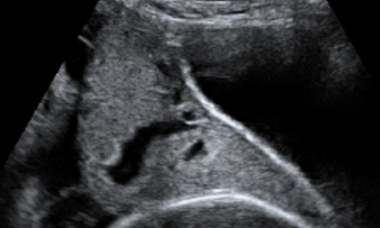
Placenta Accreta Spectrum Disorders
Placenta accreta spectrum (PAS) is a placentation disorder where part of the placenta is abnormally attached to the uterine wall, which affects around 1 in 800 live births. When undiagnosed at birth, attempts at placental manual delivery are associated with massive hemorrhage. Prenatal ultrasound imaging is therefore essential in the screening and management of PAS.
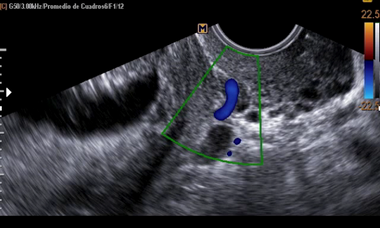
Doppler Assessment of the Uterine Arteries
The uterine arteries, right and left, are the branches of the internal iliac arteries that supply blood to the uterus.
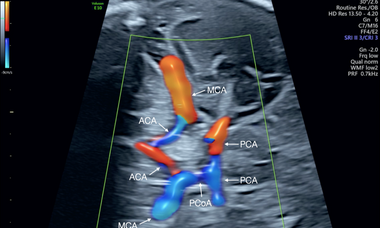
Doppler Assessment of the Fetal Cerebral Circulation
Evaluation of cerebral circulation in the fetus has long been used for clinical guidance in growth restriction and those at risk for fetal anemia.
Small for gestational age (SGA) and fetal growth restriction (FGR)
A fetus is considered to be small for gestational age (SGA) when its size falls below a predefined threshold for its gestational age. The most common definition of SGA is estimated fetal weight (EFW) or abdominal circumference (AC) below the 10th percentile of given reference ranges.
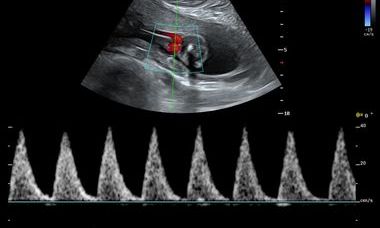
Umbilical Artery Doppler
Doppler assessment of the placental circulation plays an important role in screening for impaired placentation and its complications of pre-eclampsia, fetal growth restriction (FGR), and perinatal death.
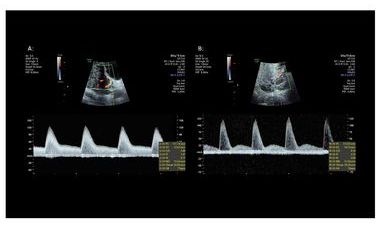
Screening for Preterm Preeclampsia
Preeclampsia is associated with significant maternal and fetal mortality and morbidity. It is characterised by the development of hypertension during the second half of pregnancy with deranged renal, hepatic, haematological or neurological function.
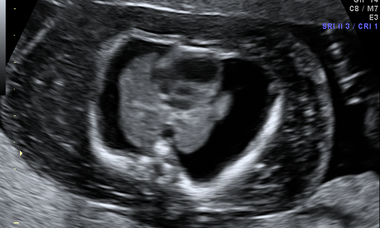
Parvovirus B19 infection
Parvovirus B19 infection is a common childhood infection that causes “Fifth disease” or erythema infectiosum.
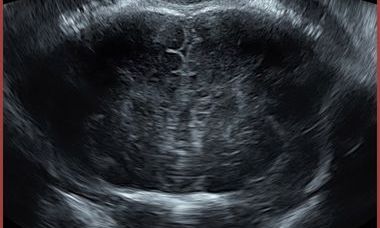
Congenital Cytomegalovirus Infection
CMV infection is the most frequent intrauterine infection. Human CMV is a major cause of congenital infection as well as SHHL loss and neurodevelopmental delay .
Congenital Syphilis Infection
Syphilis is a worldwide sexually transmitted infection caused by treponema pallidum. Its incidence has increased during the last decade associated with an increase in congenital syphilis, with an estimated average of 10.87 cases per 100,000 newborns.
Vasa Previa
Vasa previa is a rare condition (in 1300 to 1 in 2500 deliveries) that can result in perinatal mortality at rupture of fetal membranes.
Patient Information
Placenta Accreta Spectrum Disorder
This leaflet is to help you understand what Placenta Accreta Spectrum Disorder is, what tests you need and the implication of being diagnosed with Placenta Accreta Spectrum Disorders for your baby and your family.
Fetal growth restriction (FGR)
This leaflet is to help you understand what fetal growth restriction is and what causes it, the implications of being diagnosed, and what treatment options are available.
Uterine arteries Doppler ultrasound
This leaflet is to help you understand the use of doppler ultrasound study of the uterine arteries doppler and its importance when screening for preeclampsia
Preterm Birth – ultrasonographic evaluation of the uterine cervix
This leaflet is to help you understand what Preterm Birth is, what tests you need and the implication of being diagnosed with Preterm Birth for you, your baby and your family.
Screening for Preterm Pre-eclampsia
This leaflet is to help you understand what Preterm Pre-eclampsia is, what tests you need and the implication of being diagnosed with Preterm Pre-eclampsia for you, your baby and your family.
Parvovirus B19 infection in pregnancy
This leaflet is to help you understand what Parvovirus B19 infection is, what tests you need and the implication of having been diagnosed with Parvovirus B19 infection for you, your baby and your family.
Cytomegalovirus (CMV) infection in pregnancy
This leaflet is to help you understand what Cytomegalovirus (CMV) infection is, what tests you need and the implication of having been diagnosed with Cytomegalovirus (CMV) infection for you, your baby and your family.
Congenital Syphilis infection
This leaflet is to help you understand what Congenital Syphilis infection is, what tests you need and the implication of having been diagnosed with Congenital Syphilis infection for you, your baby and your family.
CME Activities
- CME Activity: Ultrasound in Preventing the Great Obstetric Problems
- CME Activity: Stillbirth: Predictable, Preventable?
- CME Activity: Prognostic Accuracy of Cerebroplacental Ratio and Middle Cerebral Artery Doppler for Adverse Perinatal Outcome: Systematic Review and Meta-analysis
- CME Activity: Preterm Birth
- CME Activity: Optimal Risk Assessment of Small-For-Gestational-Age Fetuses Using 31–34-Week Biometry in a Low-Risk Population
- CME Activity: Abnormally Invasive Placenta: ISUOG World Congress in Singapore
Key questions
Which ultrasound findings should prompt heightened surveillance for placental dysfunction, fetal growth restriction or pre-eclampsia?
How can ultrasound support the diagnosis, classification and multidisciplinary management of placenta accreta spectrum disorder?
Which imaging features are critical for the timely diagnosis of vasa previa, and how should these findings influence antenatal planning?
How can ultrasound contribute to the detection and monitoring of congenital infections and their fetal consequences?
How can Doppler velocimetry be used most effectively to assess fetal well-being and guide timing of delivery?
What are the current challenges in distinguishing constitutionally small fetuses from fetal growth restriction?
How can emerging ultrasound technologies, standardised protocols and artificial intelligence improve diagnostic precision in complicated pregnancies?
How should ultrasound findings be integrated with maternal risk factors, biomarkers and clinical history to guide individualised care and improve maternal–perinatal outcomes?