

Understand the latest research and clinical best practice on early pregnancy care.
Ultrasound has transformed the landscape of early pregnancy care, providing clinicians and patients with critical insight into gestational viability, pregnancy location and fetal development early in gestation. From confirming intrauterine pregnancy and determining gestational age to identifying multiple gestations and diagnosing complications such as ectopic pregnancy and miscarriage, ultrasound remains central to safe and effective first-trimester assessment. Advances in transvaginal imaging now allow detailed visualisation of embryonic anatomy and, in expert hands, increasingly sophisticated morphological assessment. Conditions once considered detectable only in the second trimester are now being recognised as early as 8 weeks’ gestation.
In this rapidly evolving field, the 36th ISUOG World Congress in London offers an unparalleled opportunity to engage with the latest evidence and hear directly from international leaders in ultrasound and early pregnancy care. Through cutting-edge scientific sessions, live expert discussions and global perspectives on the issues shaping contemporary practice, attendees will refine their diagnostic skills, explore emerging technologies and gain practical insights that can be translated into clinical care. Join leading experts from around the world to help shape the future of early pregnancy imaging and improve outcomes for women, infants and families worldwide.
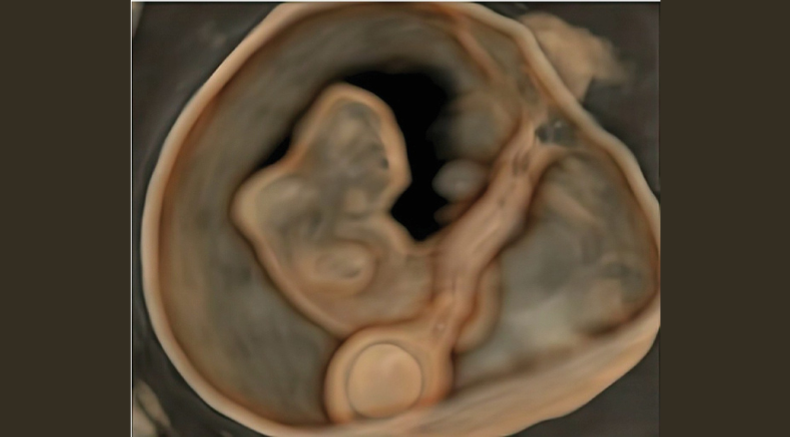
Three-dimensional image using HDlive Silhouette mode, showing irregular cranial pole and absence of fetal brain vesicles in a fetus with acrania at 7 + 6 weeks' gestation
Meagher, S., Christensen, S., Sepulveda, W. and Ramkrishna, J. (2025), Early diagnosis of fetal acrania. Ultrasound Obstet Gynecol, 66: 679-680. https://doi.org/10.1002/uog.29283
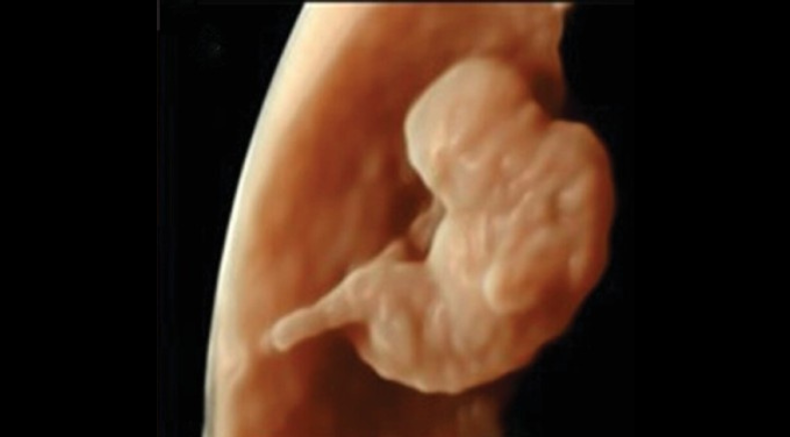
3D render mode of transvaginal ultrasound images (sagittal plane) showing absence of brain vesicles, with irregular cephalic pole, in a fetus with acrania at 7 + 6 weeks' gestation
Meagher, S., Christensen, S., Sepulveda, W. and Ramkrishna, J. (2025), Early diagnosis of fetal acrania. Ultrasound Obstet Gynecol, 66: 679-680. https://doi.org/10.1002/uog.29283
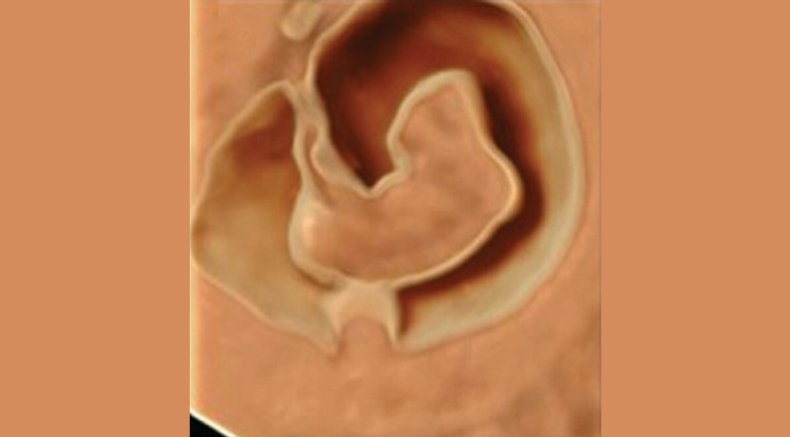
Three-dimensional (3D) MagiCut electronic slice of rendered image, showing absence of brain vesicles
Meagher, S., Christensen, S., Sepulveda, W. and Ramkrishna, J. (2025), Early diagnosis of fetal acrania. Ultrasound Obstet Gynecol, 66: 679-680. https://doi.org/10.1002/uog.29283
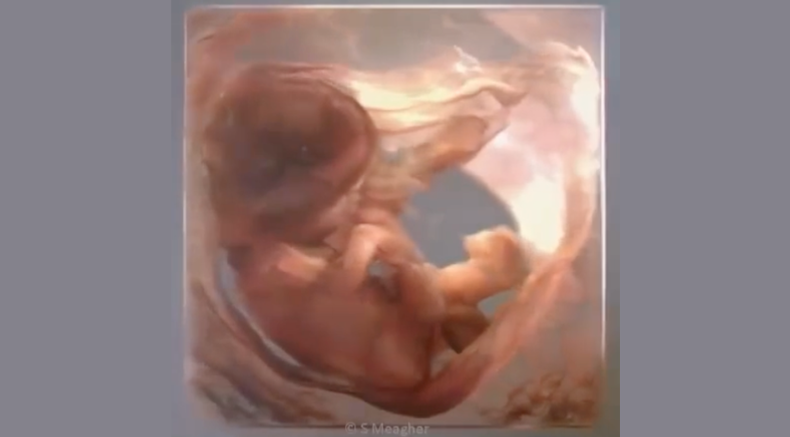
Amniotic band syndrome at 8w4d
Meagher, S.(2026, Sept. 13-17) Plenary Lecture [First trimester ultrasound: the past, the present and the future]. 35th ISUOG World Congress on Ultrasound in Obstetrics and Gynecology, Cancun, Mexico.
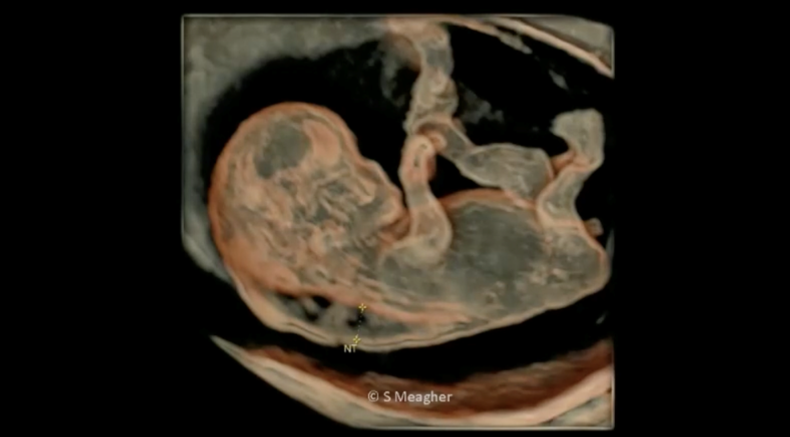
Increased NT at 10w2d seen in silhouette mode
Meagher, S.(2026, Sept. 13-17) Plenary Lecture [First trimester ultrasound: the past, the present and the future]. 35th ISUOG World Congress on Ultrasound in Obstetrics and Gynecology, Cancun, Mexico.
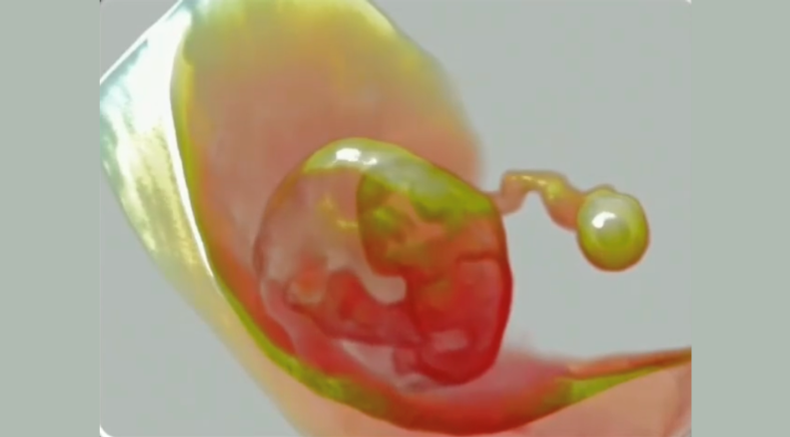
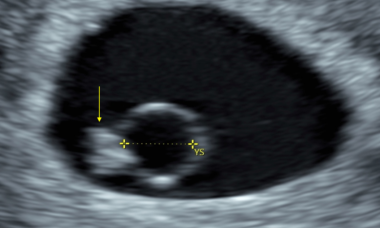
7w2d CRL of 12mm detaling amniotic sac, vitelline duct and yolk sac
Meagher, S.(2026, Sept. 13-17) Plenary Lecture [First trimester ultrasound: the past, the present and the future]. 35th ISUOG World Congress on Ultrasound in Obstetrics and Gynecology, Cancun, Mexico.
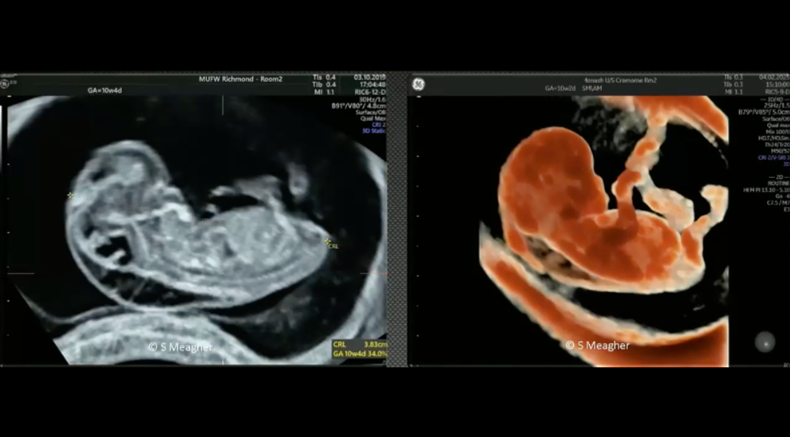
Increased NT seen at 10w4d
Meagher, S.(2026, Sept. 13-17) Plenary Lecture [First trimester ultrasound: the past, the present and the future]. 35th ISUOG World Congress on Ultrasound in Obstetrics and Gynecology, Cancun, Mexico.
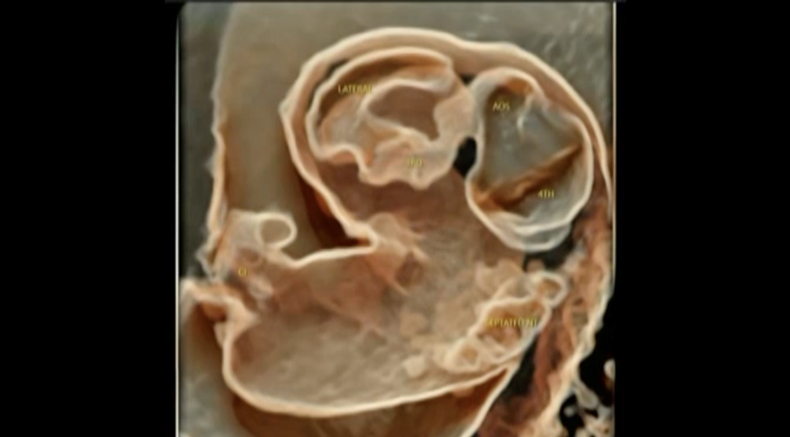
Ventriculomegaly seen in silhouette mode with a CRL of 37mm
Meagher, S.(2026, Sept. 13-17) Plenary Lecture [First trimester ultrasound: the past, the present and the future]. 35th ISUOG World Congress on Ultrasound in Obstetrics and Gynecology, Cancun, Mexico.
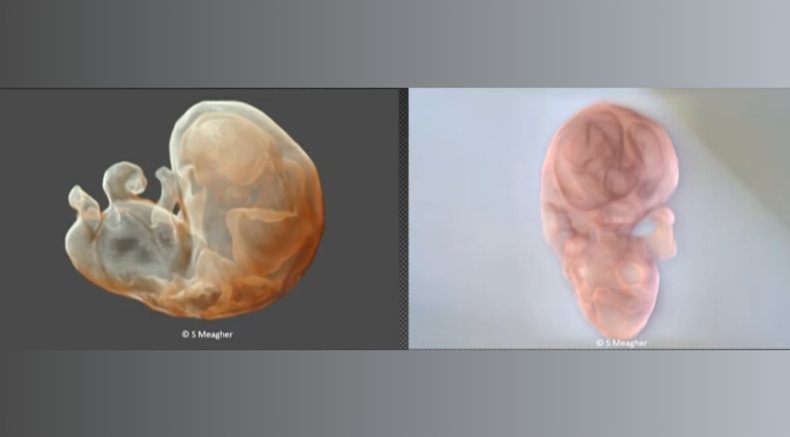
Ventriculomegaly seen in a fetus with a CRL of 37mm
Meagher, S.(2026, Sept. 13-17) Plenary Lecture [First trimester ultrasound: the past, the present and the future]. 35th ISUOG World Congress on Ultrasound in Obstetrics and Gynecology, Cancun, Mexico.
Sessions where you can learn more about this topic at ISUOG 2026 World Congress
Supplement your learning before congress
Recent UOG articles
- Single-cell-based non-invasive screening for fetal pathogenic microimbalances using maternal blood: comparison with invasive prenatal diagnosis - T. Stampalija, C. Forcato, F. R. Grati, P. Volpe, V. De Robertis, C. Izzi, E. Bertucci, I. Fabietti, A. Novelli, S. Ornaghi, L. Pasquini, E. Bevilacqua, D. Paladini, T. Ghi, D. Lattuada, M. Dori, D. Mercatelli, A. Dal Molin, G. Buson, C. Bolognesi, A. Doffini, T. J. Musci, E. Ferrazzi. First published: 25 March 2026
- First-trimester sonography should replace bimanual pelvic examination - D. M. Sherer, M. Kheyman, M. Dalloul. First published: 06 March 2026
- Ultrasound features in early pregnancy for predicting abnormal karyotype in first-trimester miscarriage - T. Setty, S. L. Kastora, T. Tellum, J. Farren, E. Jauniaux, D. Jurkovic. First published: 03 January 2026
- Uniform early first-trimester sonography: the time has arrived - D. M. Sherer, M. Kheyman, V. Hsieh, M. Dalloul. First published: 02 October 2025
- First-trimester ultrasound and research: should we keep driving without a license? - S. Carlucci, C. Lees, P. Miloro, I. Papastefanou, G. Ter Haar, A. Dall'Asta, the Safety Committee of the International Society of Ultrasound in Obstetrics and Gynecology. First published: 20 August 2025
- Interpregnancy interval and risk of recurrence following tubal ectopic pregnancy: retrospective cohort study from UK tertiary center - W. M. Dooley, J. Farren, L. V. de Braud, S. A. Solangon, N. Thanatsis, B. H. Al Wattar, D. Jurkovic. First published: 05 June 2025
Lectures

First trimester ultrasound- the past, the present and the future
S.Meagher 2025
Managing pregnancy of unknown location and ectopic pregnancy: understanding the role of progesterone and hCG
S. Bobdiwala 2025
Diagnosing and managing Caesarean scar pregnancy: current best practice
D. Jurkovic 2025
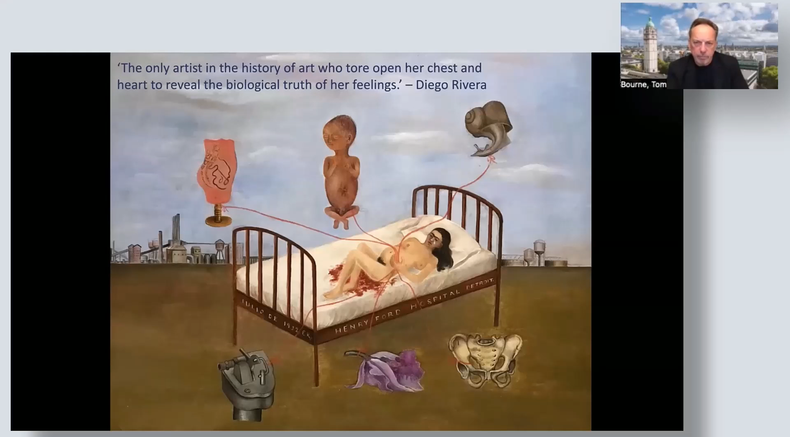
The psychology of early pregnancy loss
T. Bourne 2026
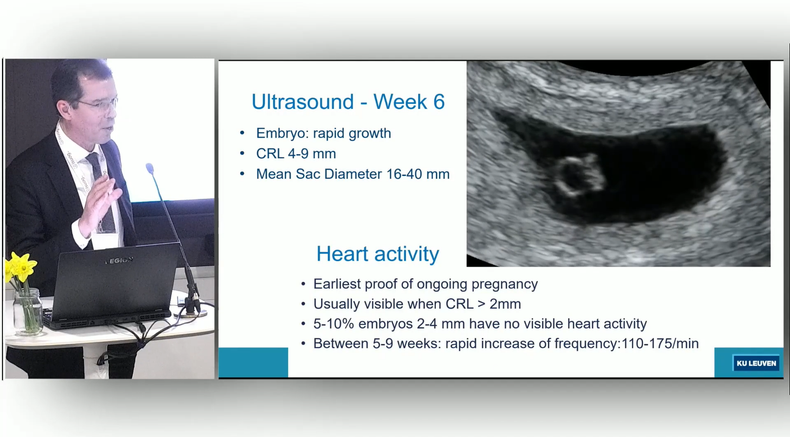
Miscarriage management including evaluating retained pregnancy tissue
D. Timmerman 2026
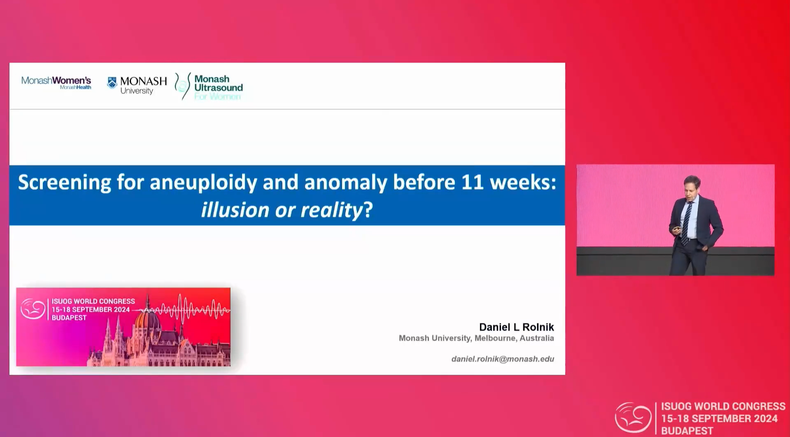
Shifting the algorithm of aneuploidy and anatomy before 11 weeks
D. Rolnik 2024
VISUOG
Normal Early Pregnancy
Early pregnancy ultrasound plays an important role in confirmation of pregnancy, establishing viability and location of the pregnancy, confirming fetal number and type of placentation in multiple pregnancy and facilitating early diagnosis of life-threatening abnormalities such as ectopic or molar pregnancy. In this chapter, we will provide the reader with key information on the value of early pregnancy ultrasound.
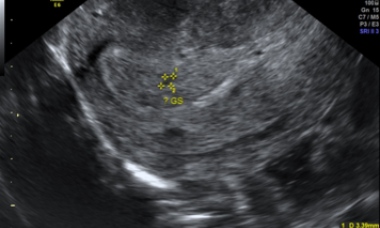
Pregnancy of Unknown Location (PUL)
A PUL is defined as occuring when a patient tests positively for pregnancy but the initial transvaginal ultrasound scan is not able to locate the pregnancy. It is currently believed that the best way to manage these cases is by performing risk prediction, for which hCG and progesterone are used as biomarkers.
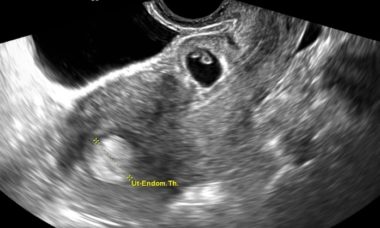
Cesarean Scar Pregnancy
Cesarean scar pregnancy (CSP) is an abnormal implantation of the gestational sac in the area of the prior caesarean delivery (CD) scar, potentially leading to life-threatening complications, including severe haemorrhage, uterine rupture and development of placenta accreta spectrum (PAS) disorders.
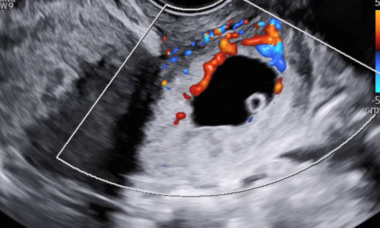
Cervical Ectopic Pregnancy
Cervical ectopic pregnancy refers to an abnormal implantation of a fertilized ovum within the myometrium below the level of the internal os with a reported incidence of less than 1% of all ectopic pregnancies.
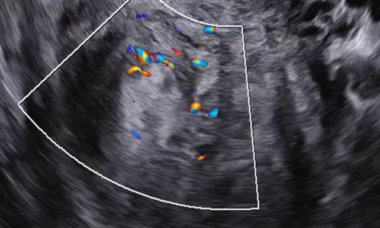
Intramural Ectopic Pregnancy
Intramural ectopic pregnancy refers to an abnormal implantation of a pregnancy within the myometrium. A gestational sac extending beyond the endometrial-myometrial junction is the defining feature. Intramural ectopic pregnancies should be subdivided into partial and complete. Ultrasound is the first-hand diagnostic tool.
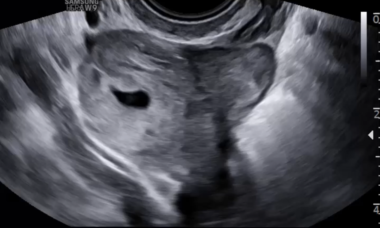
Ovarian Ectopic Pregnancy
Ovarian ectopic pregnancy (OEP) is a rare type of ectopic pregnancy in which the fertilized ovum implants into the ovary.
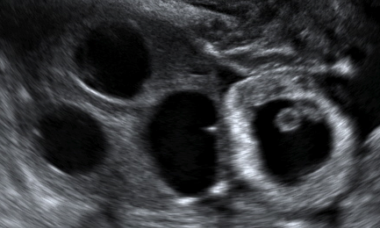
Tubal Ectopic Pregnancy
An ectopic pregnancy is defined as the presence of a pregnancy outside the uterine cavity, the commonest location being the fallopian tube. They account for 1-2% of pregnancies in the UK and may be as high as 4% with assisted conception.
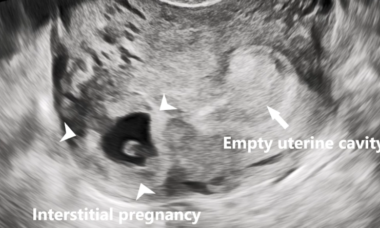
Interstitial Ectopic Pregnancy
Interstitial ectopic pregnancy is defined as the ectopic gestation implanting in the most proximal part of the fallopian tube.
Patient information
Normal early pregnancy ultrasound
This leaflet is to help you understand the use and goals of early pregnancy ultrasound, how to prepare for it, and what to watch out for.
Cesarean scar pregnancy
This leaflet is to help you understand more about Cesarean scar pregnancy.
Cervical Ectopic Pregnancy
This leaflet is to help you understand what cervical ectopic pregnancy is, how cervical ectopic pregnancy happens, what the symptoms are, and the recurrence for the next pregnancy.
Interstitial Ectopic Pregnancy
This leaflet is designed to help you understand what interstitial ectopic pregnancy (IEP) is, how it happens, what the symptoms are, and the risk of recurrence.
Intramural Ectopic Pregnancy
This leaflet is to help you understand what Intramural Ectopic Pregnancy is, what tests you need and the implication of being diagnosed for you, your baby and your family.
Rudimentary Horn Pregnancy
This leaflet is to help you understand what rudimentary-horn-pregnancy is, what tests you need and the implication of being diagnosed for you, your baby and your family.
Tubal Ectopic Pregnancy
This leaflet is to help you understand Tubal Ectopic Pregnancy.
Pregnancy of unknown location or PUL
This leaflet is to help you understand what Pregnancy of Unknown Location (PUL) is, what are its symptoms, what tests do you need, and what should you be watching out for.
CME activities
- CME Activity: Caesarean Section Scar Pregnancy: Updates on Diagnosis and Management
- CME Activity: Early First Trimester Detection of Fetal Malformation 8-11 Weeks
- CME Activity: Do Events in Early Pregnancy Impact on Long-Term Pregnancy Outcome?
- CME Activity: Miscarriage Diagnosis: Are the New Ultrasound Cut-Offs Conservative Enough?
Key questions
What fetal structural abnormalities can now be reliably identified as early as 8 weeks’ gestation?
How should ultrasound and non-invasive prenatal testing be integrated to improve early risk assessment for chromosomal abnormalities and fetal anomalies?
What are the current controversies and limitations in first-trimester screening and early morphological assessment?
How can transvaginal ultrasound optimise the diagnosis of ectopic pregnancy and support timely, individualised management?
What are the current best-practice approaches to evaluating and managing pregnancy of unknown location?